

reviews 2026
I don’t need to give Hans Zimmer an introduction, right? Just search up his name - even if you think you don’t know him, you do.
Anyways, tonight I got the privilege of hearing this absolute legend in person. Zimmer filled up the arena, with only a couple of empty seats left here and there. Still waiting for the concert was an experience, as the rain soundtrack kept getting louder the closer we got to the start. An hour waiting was surprisingly relaxing - as if I was listening to hundreds of people chatting while it was raining outside.
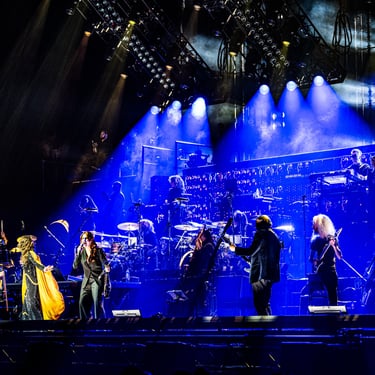
The concert started exactly at 8 pm and with a bang. The music kept on getting louder and louder, while a medley of intense, power-hungry action movie hits got the energy rising. Slowly, through this song, we were shown more and more of the stage, every piece moving, revealing more and more musicians.
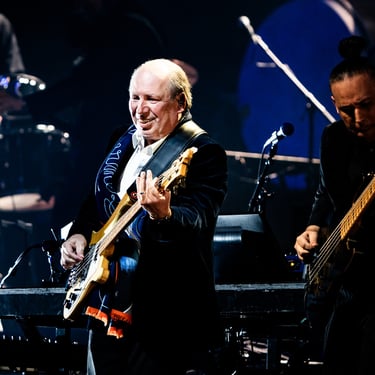
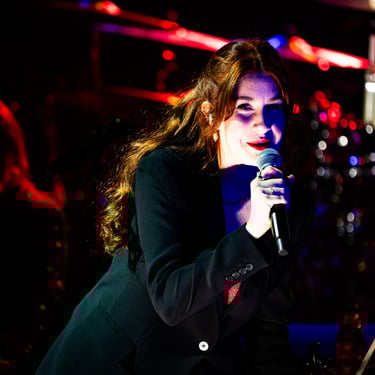
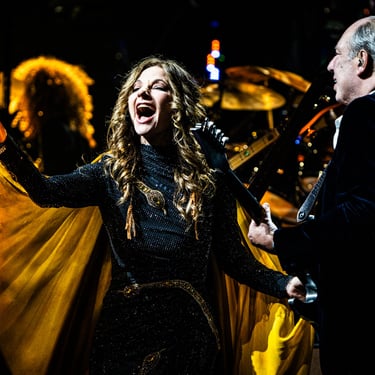
I don’t think it is a surprise if I say that musicality-wise, the concert was incredible. Hans Zimmer is a fantastic composer, and each and every musician on that stage was just astonishing. The whole concert took us through all of his most famous songs, mixing medleys with singular hits. The outcome was very entertaining - and I could envision many of my favorite films just from the music.
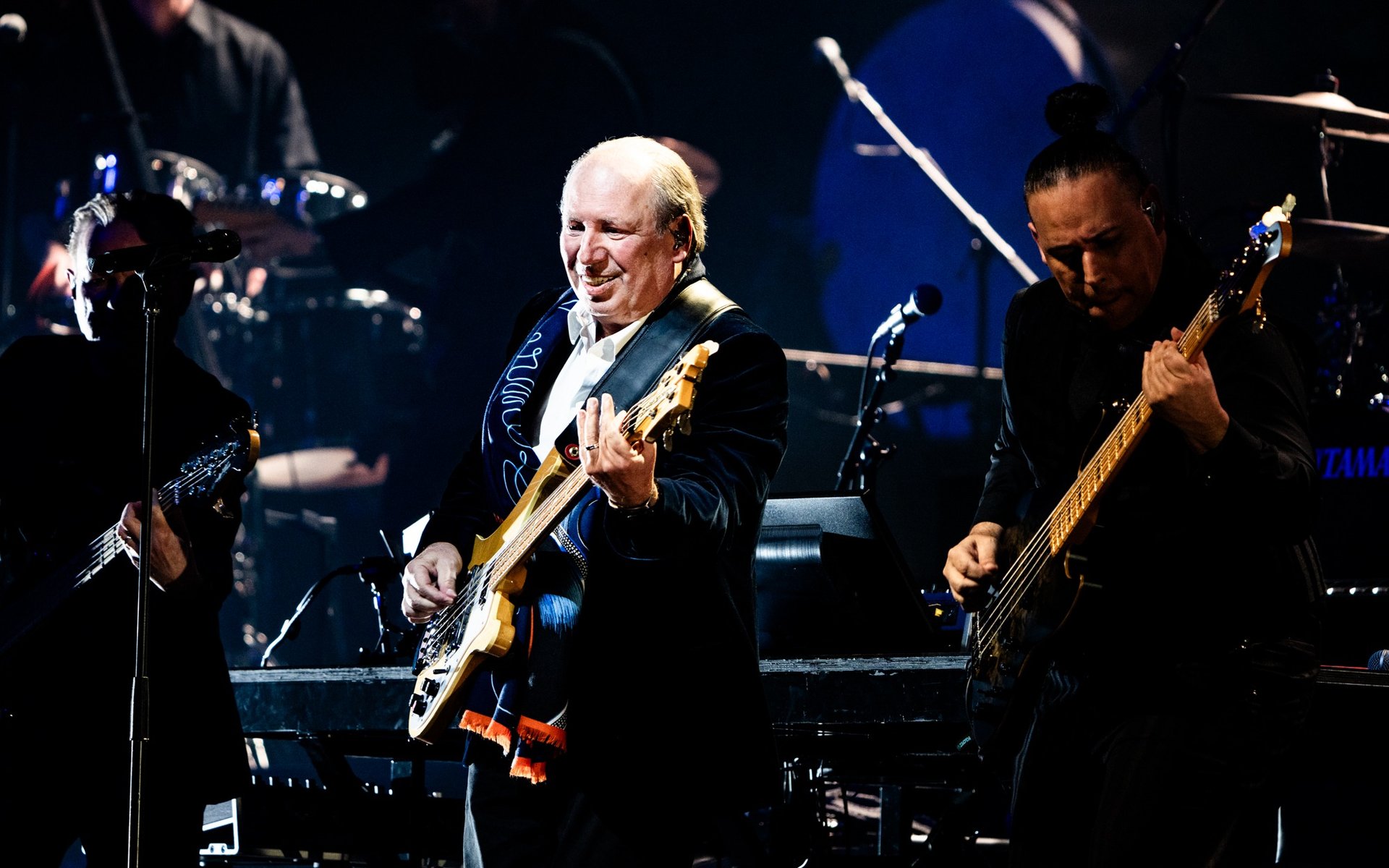
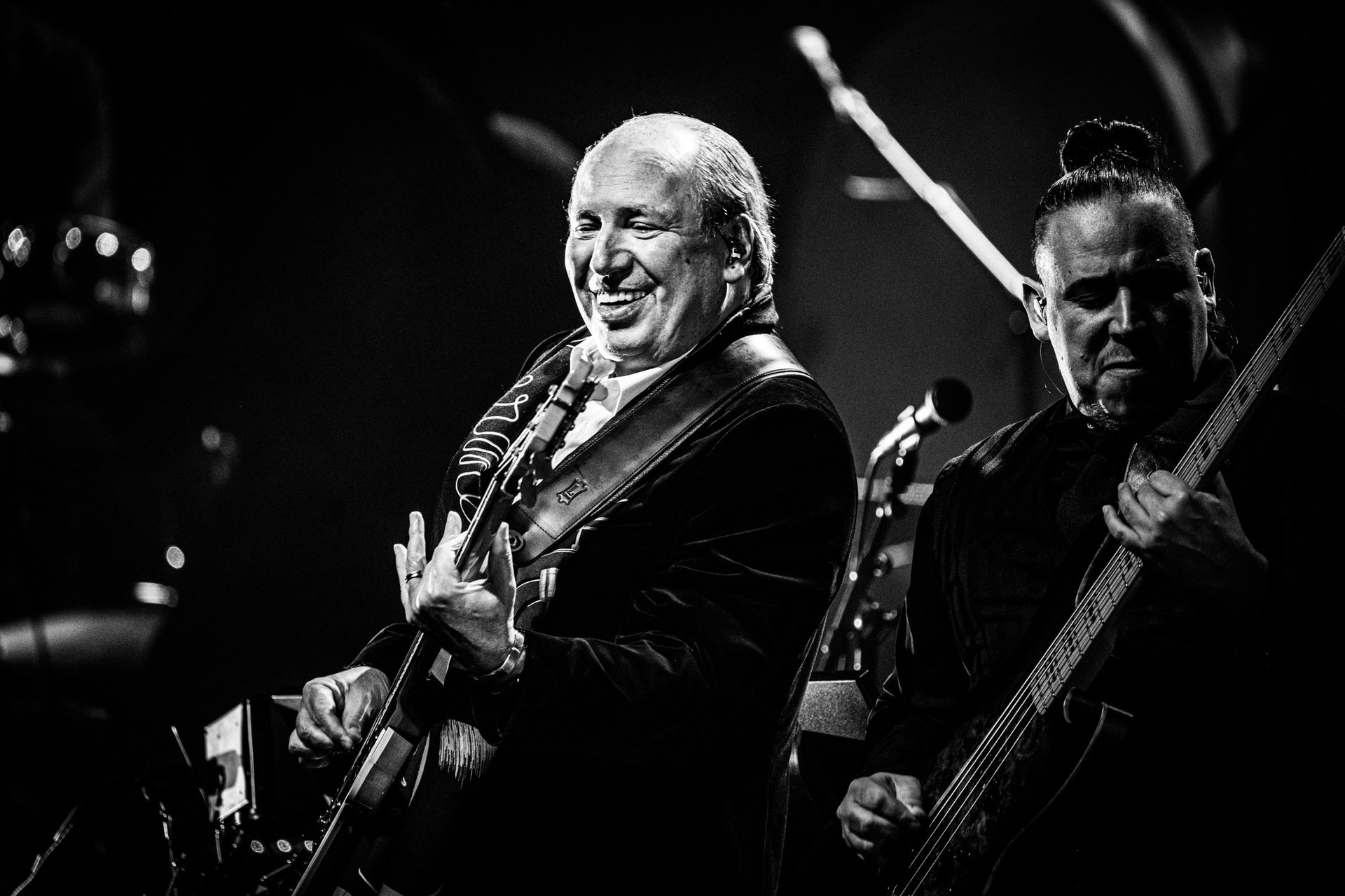
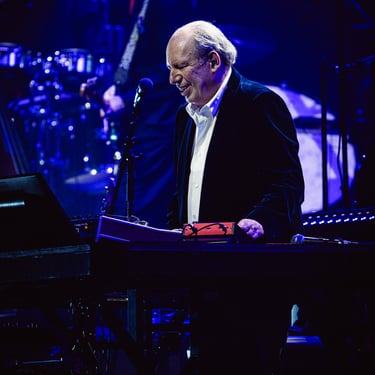
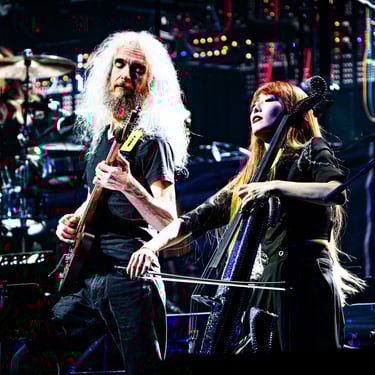
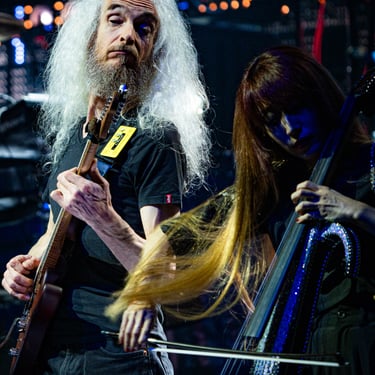
Hans Zimmer himself kept on changing the instruments through the night. Sometimes DJing, sometimes playing a guitar, and from time to time just admiring other musicians' work.
I would say that the main theme of the night was admiration. The musical entertainment was completed with Hans’ chatter. He was focusing on introducing all the musicians to us while admiring their talent and hard work. At some points, it almost felt intimate, like we would be listening to two people talking about their relationship and history together. This was very sweet and felt important, as the musicians are the ones who bring his music to life - they deserve all the applause and more.
Additionally, we heard some stories from his life - mainly about his collaborative work with Christopher Nolan (or Chris). It was very fun to imagine them together at a house party, not wanting to chat to anyone else besides each other.
Even though these stories were lovely, I do wish Hans Zimmer had talked a little less. The whole concert lasted for 3 hours and 20 minutes (with a 20-minute break), and it did reach to a point where I just wanted to listen to the music.
Thankfully, the music was incredible. There were many unforgettable performances, but the medley of Circle of Life, Busa, Stampede, and Remember was the most glorious of them all. It is not a surprise that it got such a long-lasting standing ovation from the crowd.
All in all, the night was very beautiful, even though I could have been home an hour early if Hans Zimmer hadn’t been such a yapper.
hans zimmer - royal arena, copenhagen - 10.03.2026
Photos: kasper pasinski
Words: hanna koivunen
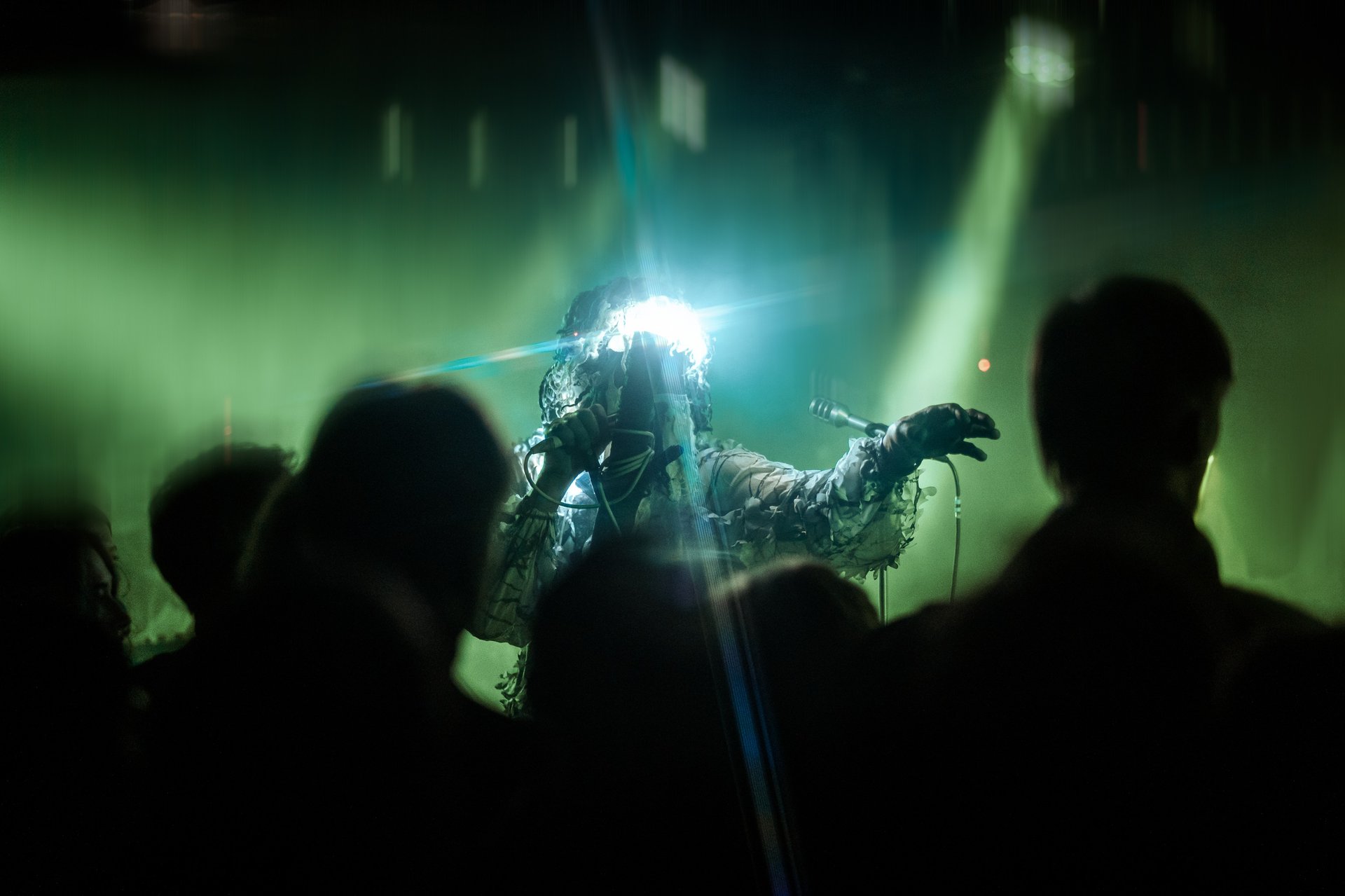
I never thought that I could be mentally transported to a sunny beach in the middle of a snowstorm - but apparently, anything is possible if you just follow a weird moss-man band.
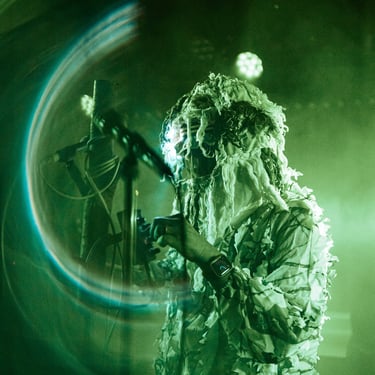
English post-punk band Snapped Ankles embraced the cold and came to Loppen to entertain us all. I hadn’t really listened to the band until knowing about this concert, but after checking their music beforehand, I thought I had an idea of what the evening would be like.
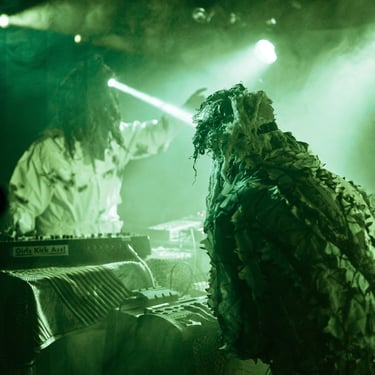
Gosh, was I wrong. I anticipated an electro punk evening, and I was prepared for their moss-looking masks, but the rest of it? Not so much. The band’s energy was popping indeed, but in a completely different way than I was expecting. From the moment Snapped Ankles entered the stage, they showed how the night was going to be - a high-energy forest rave.
Have you ever seen the video of a mushroom playing a keyboard? (Yes, this is a real thing and not some AI-slop.) The night was like the mushroom would have taken the rest of their mates and come to get people dancing. Or maybe like aliens who came to earth to introduce their music to us mere humans. Regardless, the vibe was a bit weird - but in the most entertaining way.
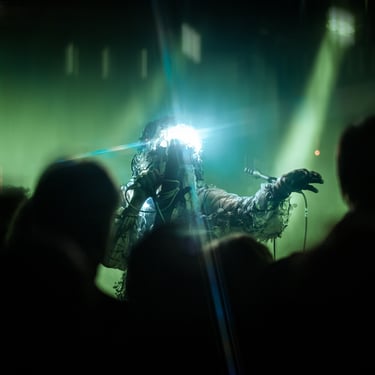
The singing moss-man-alien-mushroom kept on coming down to the crowd, stomping around in the ghillie-suit they were wearing, sometimes even jumping around like a little elf. Obviously, none of this meant that they would stop playing.
If this wasn’t fun enough, at the end of the gig, the band decided that we needed a break from the forest and took us on a geographical journey to a beach. Naturally, this meant us screaming like seagulls and swooshing like waves. As you would do on a Thursday evening.
Snapped Ankles was a very entertaining gig, but I think I might prefer their music recorded. The night was certainly a positive experience, but I think I prefer having my feet a bit closer to the ground.
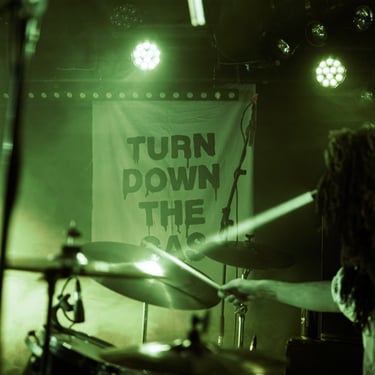
The fungi disco party wasn’t the only fun thing on this Thursday evening. Namely, a Danish punk band, FARMAND, opened the stage for Snapped Ankles, and I am slightly obsessed with them. Their songs were absolutely ridiculous, their energy was completely out there, and they even managed to bring drama on the stage through their performance. I hope to catch them again soon in Copenhagen.
snapped ankles - loppen, copenhagen - 05.02.2026
Photos: laura ioana v
Words: hanna koivunen
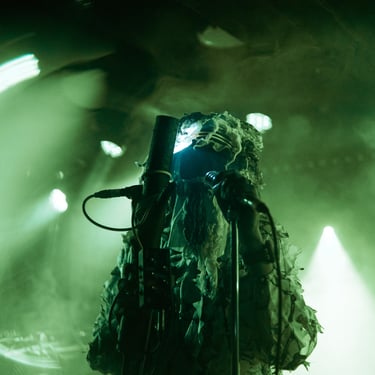
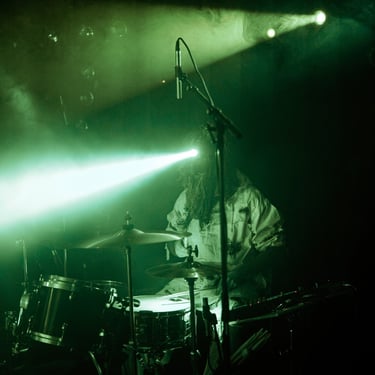
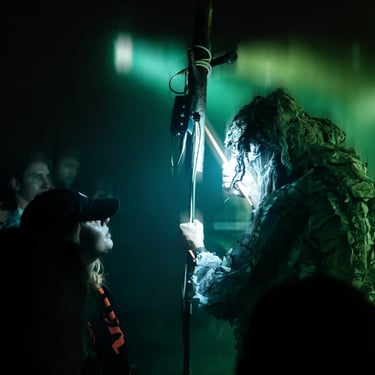
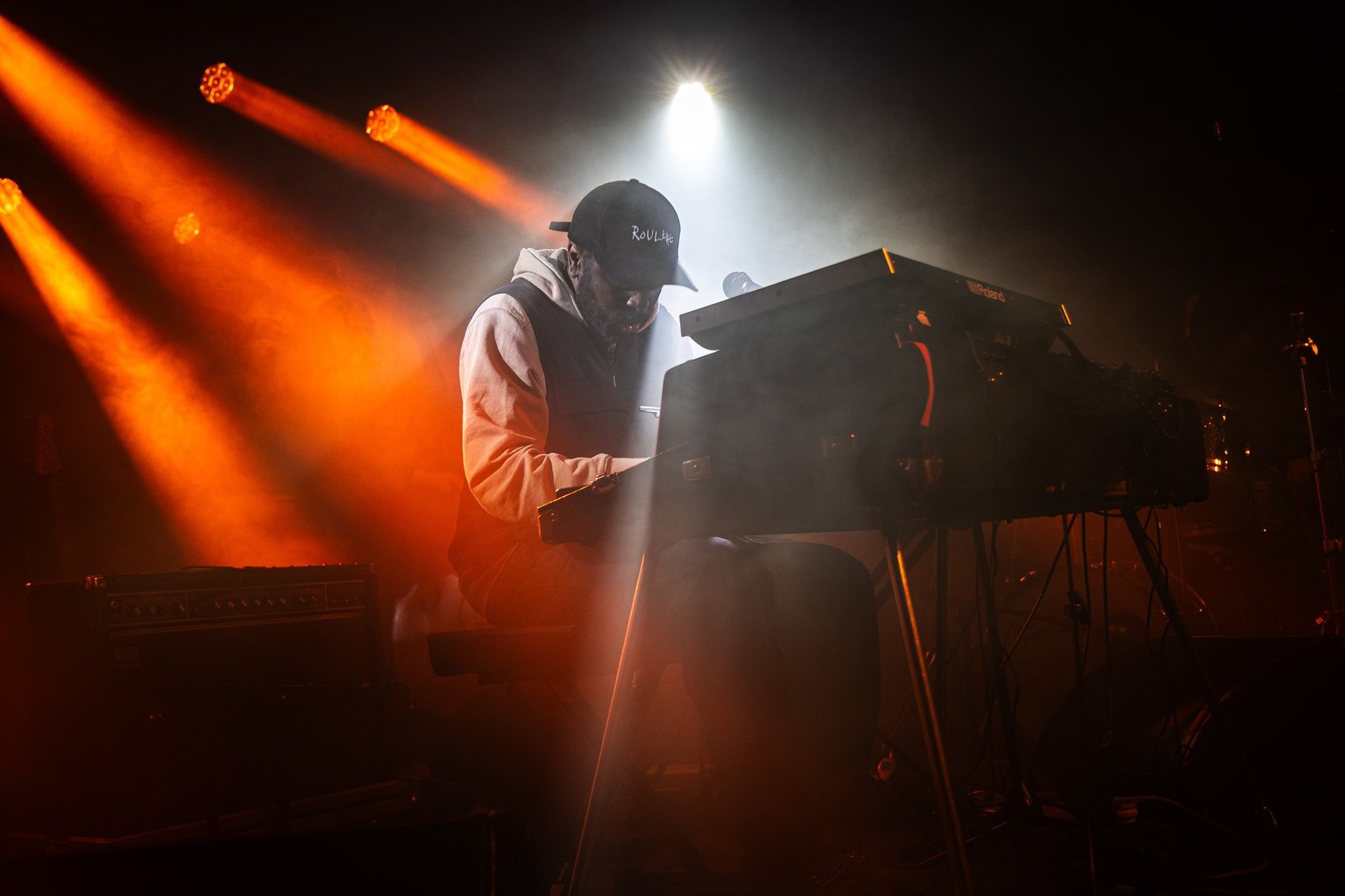
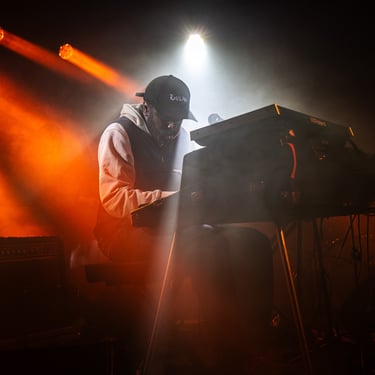
An evening where sound moved slowly, like breath on glass, and the city leaned in to listen. Alfa Mist’s sold-out concert at Lille Vega on February 3rd felt like a quiet marker in the calendar — a gentle, unofficial opening of Copenhagen’s Winter Jazz Festival. Not announced as such, not framed with ceremony, yet unmistakable in spirit. There was a shared sense in the room that something had begun. A season. A mood. A collective turning inward, guided by music that thrives on nuance rather than noise.
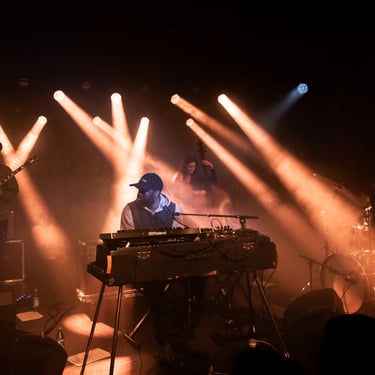
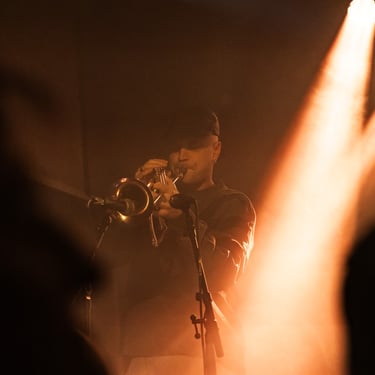
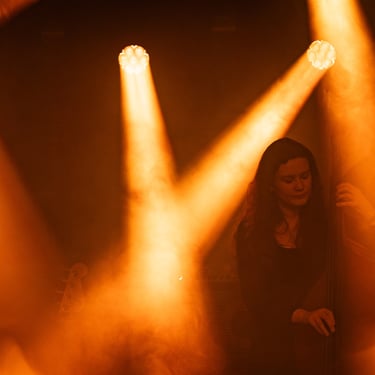
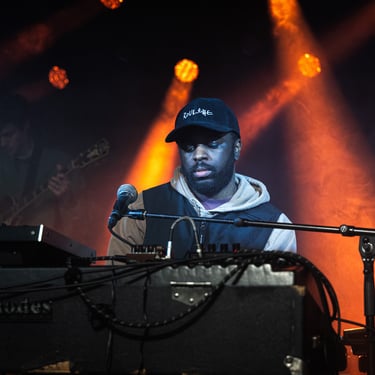
The night opened with Clothing Club, a trio from Jutland that set the tone with warmth and generosity. As a fresh addition to the Danish jazz scene, their instrumental blend of jazz, house, and hip-hop felt both grounded and buoyant, built around a simple yet effective setup of drums, bass, and synths. Their music carried an unmistakable sense of uplift — grooves designed to make bodies sway and minds lighten. Even in its darker shades, the sound radiated optimism, leaning into unity, joy, and a quiet belief in music as a shared source of light. It was an inviting start, gently preparing the room for an evening shaped by mood and connection.
From the moment Alfa Mist and his band stepped on stage, the atmosphere settled into something calm and attentive. His presence is unassuming, almost modest, yet it carries a confidence rooted in deep musical intention. Nothing was rushed. Nothing was overstated. The music unfolded patiently, inviting the audience to adjust their pace, to let go of expectations of sharp peaks or obvious climaxes. Instead, the reward came through immersion — through staying present as textures slowly evolved.
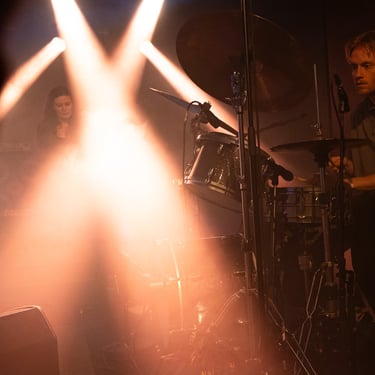
The stage layout itself subtly reinforced this shift in perspective. Rather than anchoring the rhythm from the back, the drums were placed to the side, changing the usual visual and emotional hierarchy. This simple choice mirrored the music’s ethos: rhythm as an equal voice rather than a commanding force. It allowed the pulse to move laterally through the soundscape, felt as much as heard, contributing to the sense of balance and openness that defined the evening.
The performance leaned into mood as its primary language. Rather than treating songs as fixed entities, the set felt fluid, shaped by feeling rather than structure. Melodies appeared and dissolved, rhythms surfaced and receded, and themes returned subtly transformed. There was a cinematic quality throughout, as if each piece was a scene rather than a statement. It was music that trusted silence as much as sound, and space as much as movement.
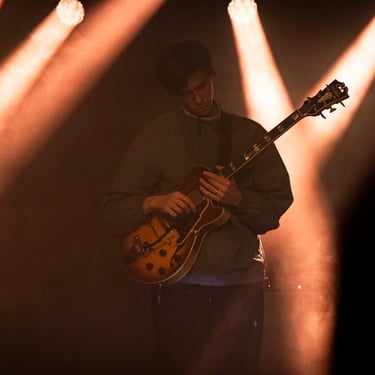
Sonically, the evening felt soft-edged and painterly. Sounds blended into one another with deliberate gentleness, creating a world where borders between instruments were intentionally blurred. Warm keys, brass tones, guitar lines, and rhythmic layers merged into a cohesive whole, making it less about individual performances and more about collective expression. At times, it felt like listening through water — slightly distorted, deeply enveloping, and emotionally magnified.
This blending gave the music a dreamlike quality, where attention drifted not between instruments, but across emotional textures. The sound didn’t demand analysis; it encouraged feeling. Lush reverbs and layered tones created an environment rather than a foreground, pulling the audience inside rather than placing the music in front of them. It was immersive without being overwhelming, detailed without being busy.
Rhythm, though understated, remained essential. Beneath the softness, there was drive — moments where energy surged forward, adding urgency and momentum. These shifts prevented the music from settling into comfort alone, introducing tension that kept the audience alert and emotionally engaged. The contrast between floating atmospheres and grounded pulse gave the set its quiet power.
What stood out most was the sense of unity on stage. The band moved as one organism, responding intuitively to shifts in tone and tempo. Improvisation felt natural rather than performative, woven seamlessly into the fabric of the music. There was an ease in their interaction that suggested deep trust — in each other and in the space they were creating together.
Alfa Mist himself came across as deeply grounded and grateful. There was no excess of commentary, no attempt to frame the experience beyond the act of sharing it. His appreciation for the room, his fellow musicians, and the audience felt genuine, shaping the tone of the night into something intimate and respectful.
As the set drew toward its close, the sense of narrative became clearer — not a story with a defined ending, but one that gently paused. This reinforced the feeling that the night marked a beginning rather than a conclusion. In that sense, the concert fit perfectly as an unofficial opening of Copenhagen’s Winter Jazz Festival, easing the city into a season of listening.
Leaving Lille Vega, the music lingered quietly, settling rather than fading. Alfa Mist did not offer spectacle; he offered presence. And in doing so, he gave Copenhagen a soft, atmospheric starting point — a first brushstroke of winter jazz, understated, immersive, and full of promise.
ALFA MIST - VEGA, copenhagen - 03.02.2026
Photos: THOMAS VRAABY
Words: KAROLINA CUROVA